A Vietnamese Dinner in Ottawa Where Everyone Finds Their Dish
By OttawaPho Editorial Team ·
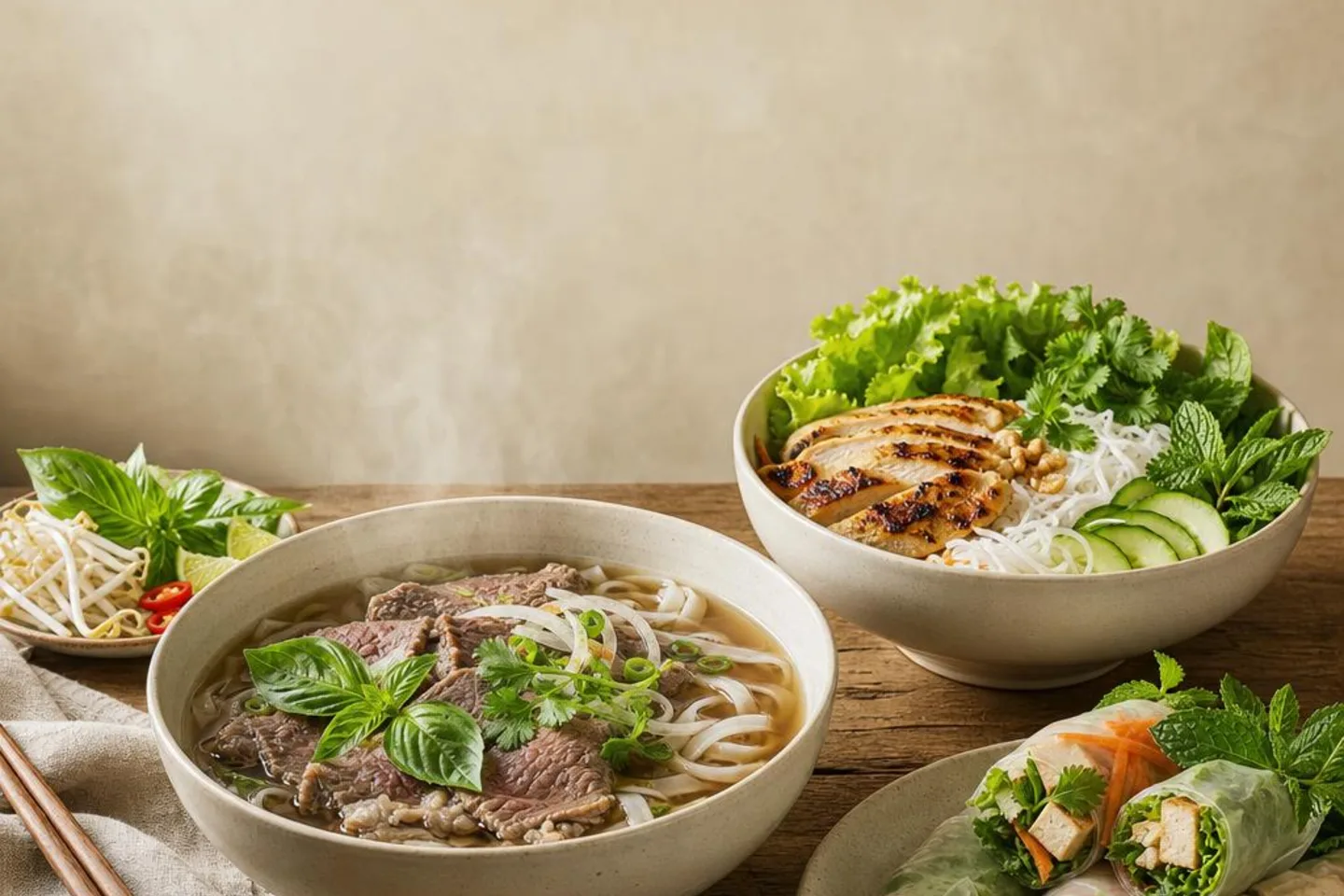
A Vietnamese dinner in Ottawa works well for a group when everyone chooses their own main, shared starters are agreed on together, and dietary questions are checked before ordering. Pho, vermicelli bowls and rice plates offer different textures and flavours, so nobody needs to want the same meal.
Picture the familiar group-dinner debate: one friend wants something warming, another would rather have a plate than soup, and someone else needs to check ingredients. Vietnamese menus can accommodate those different preferences, but a little planning matters more than picking the longest list of dishes. The useful question is not “What should everyone order?” It is “What would each person enjoy, and what do we need to confirm?”
This guide helps you turn that question into a relaxed dinner, whether you are meeting after work or making an evening of Ottawa’s ByWard Market. It is an ordering plan, not a restaurant ranking or a claim that every Vietnamese kitchen can meet every dietary requirement.
Start with the meal each person actually wants
A useful Vietnamese group order begins with three choices: soup, noodles without broth, or rice. That sounds simple, but it prevents the common mistake of assuming a pho restaurant means everyone must eat pho. Let each person choose their own main, then work out whether the table wants a starter.
For the friend who wants a warming bowl: pho
Pho combines rice noodles, broth, protein and herbs. Beef pho, or phở bò, often has a savoury broth scented with spices such as star anise and cinnamon. Chicken pho, phở gà, commonly has a ginger-led aromatic character. Recipes vary; neither name guarantees a particular ingredient list or dietary status.
If several beef cuts appeal, a house-special combination can offer more texture than a single-cut bowl. Our guide to pho đặc biệt explains the idea, but ask what a particular kitchen includes. A combination might contain brisket, tendon and meatballs; another restaurant may use a different selection. Nobody needs to order an unfamiliar cut just because it appears in the house special.
For the friend who prefers grilled flavours: a vermicelli bowl
A bún-style vermicelli bowl usually brings thin rice noodles together with vegetables, herbs and a topping such as grilled meat or tofu. Warm grilled protein against cool lettuce and cucumber creates a different experience from soup: smoky edges, fresh crunch and a dressing that ties things together.
This can suit someone who likes noodles but does not want a bowl of broth. It is not simply pho with the liquid removed. The noodle shape, assembly and seasoning are different. Ask whether the dressing comes separately if you would like to control how much goes in.
For the friend who wants a plate: rice
Vietnamese rice plates can pair rice with grilled meat, an egg, vegetables and sauces. The attraction is contrast: caramelized edges from grilling, soft rice and something crisp or pickled on the side. Jasmine rice and broken rice are not interchangeable menu promises; check which the restaurant actually serves.
A rice plate is a sensible alternative for someone who wants a fork-and-knife meal rather than chopsticks and a soup spoon. Read combination descriptions carefully, though. A plate with several grilled proteins may include pork even when a separate beef or chicken dish has a halal label.
Let everyone build their own flavour balance
Part of the pleasure of a Vietnamese dinner is that bright herbs, citrus, pickles and sauces can change how a dish tastes. You do not have to turn dinner into a lesson, but a few simple suggestions help someone new to the menu feel comfortable.
For pho, taste the broth before adding anything. Then try a little lime or a few herbs if offered, and taste again. Basil adds fragrance; lime introduces acidity; bean sprouts add texture. Our pho toppings guide explores those choices in more detail. Additions are personal, not a test of whether someone knows the “right” way to eat.
With vermicelli, start by mixing some dressing into one part of the bowl rather than pouring everything in at once. That lets you judge its sweetness, acidity and saltiness against the grilled topping. With rice, dipping a piece of protein separately can be more useful than covering the whole plate in sauce.
Ask about spice in the dish itself. A bottle of chilli sauce on the table is optional; a chilli marinade already on grilled meat is not. Someone who enjoys a little heat may still prefer a mild main with a small amount of sauce. The goal is a dinner everyone enjoys, not matching another person’s tolerance.
Check dietary needs before the order reaches the kitchen
A mixed group may include someone seeking halal-friendly food, someone eating plant-based, and someone managing an allergy. These are different requirements. Ask each person what they need checked, then communicate those details to staff without treating one menu symbol as an answer to every question.
For halal requirements, ask about the specific dish
Useful questions cover the meat supplier, whether any certification applies to that supplier or the restaurant, the broth ingredients, sauces and cooking ingredients, and shared equipment. Ask whether the dish contains pork-derived ingredients or cooking alcohol, and whether the preparation meets your own requirements. A restaurant describing options as halal-friendly is not the same as independently verified certification of the entire premises.
For plant-based food and allergies, include the finishing ingredients
For a vegan order, confirm the broth, fish sauce, egg, dairy and dipping sauce as well as the main protein. Tofu in a bowl does not tell you what stock was used. For allergies, explain the allergen and ask whether the kitchen can accommodate it, including shared surfaces and utensils. If staff cannot confirm safe handling, choose another plan rather than relying on a guessed substitution.
Do this before debating starters. It is easier to choose a suitable shared plate at the beginning than to discover later that its sauce or filling excludes someone. Let the diner with the requirement make the final decision; other friends do not need to decide whether an uncertain answer is “close enough.”
Make a simple plan for your Ottawa evening
Choose the neighbourhood and meeting time first, then check the menu. If friends are arriving separately in ByWard Market, agree on a clear meeting point and allow time to reach the restaurant. There is no need to promise exact travel times or parking availability; those depend on the evening and how everyone is travelling.
One option to investigate is Pho By Night, whose official website lists its address as 309 Dalhousie Street in ByWard Market. At the time of checking, its menu includes The Supreme Soup Bowl, Chicken Pho, vermicelli with grilled proteins, vermicelli with grilled tofu, and several summer-roll options. You can explore the menu at Pho By Night to see how those choices fit your group.
The restaurant labels selected dishes halal and describes itself as halal-friendly. Its current menu also lists pork dishes, so do not assume a pork-free kitchen or that every item qualifies. Review the restaurant’s halal information and confirm sourcing, broth and preparation directly if those details matter to your dinner. These are restaurant statements, not an independent certification assessment.
Check current arrangements directly before a group visit, including whether a booking is needed and whether the kitchen can accommodate the requirements you discussed. Treat the online menu as a planning aid rather than a guarantee of availability that evening. You can also leave prices and opening times out of the group chat until you have checked the current details.
An order plan that avoids overcomplicating dinner
For four friends, start with four individual mains rather than a large shared order. One person might choose beef pho, another chicken pho, a third grilled tofu vermicelli and a fourth a rice plate. This is an example of balancing preferences, not a guarantee that any restaurant offers every combination or can meet every dietary need.
- Before you go: share the current menu and ask each person to shortlist a main.
- Before ordering: confirm dietary questions and whether anyone wants a shared starter.
- At the table: ask about unfamiliar proteins, sauces and spice rather than guessing.
- When food arrives: keep specially prepared dishes and their utensils separate.
If someone would rather have a sandwich, check whether bánh mì is offered for the meal you are planning. Our Ottawa bánh mì guide introduces the sandwich format; the current restaurant menu should determine the actual order. Bread, fillings and spreads all matter when checking dietary suitability.
The most useful preparation is a short conversation, not a complicated itinerary. Give everyone enough information to choose confidently, leave space for a question or two, and enjoy a dinner where different preferences belong at the same table.
Frequently asked questions
Does everyone have to order pho at a Vietnamese restaurant?
No. Many Vietnamese menus also offer vermicelli bowls, rice plates, rolls or sandwiches. Check the current menu first; a restaurant specialising in pho may not offer every category. Individual mains let friends choose different textures and flavours.
What is a good option for someone who does not want soup?
A vermicelli bowl offers rice noodles with herbs, vegetables and a grilled topping, while a rice plate offers a different base and eating style. Ask about the sauce and protein so the choice matches both preferences and dietary requirements.
Should a group share one large bowl of pho?
Individual bowls are usually simpler: each diner can choose proteins and add garnishes to taste. If you want to share, ask the restaurant about portions and separate bowls first. Sharing can complicate dietary checks when utensils or ingredients move between dishes.
Are fresh summer rolls always vegetarian?
No. Summer rolls can contain shrimp, pork, chicken or tofu, and the dip may contain fish or other animal ingredients. Read the filling description and ask about the sauce. A vegetable-based roll also needs separate allergy and preparation checks.
Can a restaurant serve halal-friendly dishes and pork dishes?
Yes, a menu can list both. A halal label on a specific dish should not be extended to the entire kitchen. Ask about sourcing, certification scope, broth, sauces and shared equipment, then decide whether the restaurant’s answers meet your requirements.
Choose the evening, then choose your dishes
A good group dinner does not require matching orders. It requires clear choices, a little ingredient checking and room for everyone’s preferences. Start with the verified menu linked above, confirm the details that matter to your friends, and make your next Ottawa dinner about enjoying the food together.